An Introduction Guide to Roofing Shingles
Roofing Shingles for Beginners
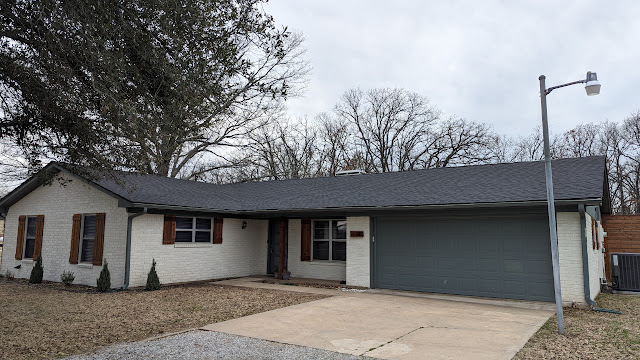
When considering a new roof in Texas, homeowners in Texacoma face several crucial questions regarding costs, regulations, and practical considerations:
How Much Does a New Roof Cost in Texas? The cost of a new roof in Texas can vary widely depending on the materials used and the size of the roof. On average, homeowners might expect to pay between $5,000 and $10,000 for a new roof. High-end materials like slate or high-quality metal can drive costs higher, potentially exceeding $20,000.
How Long Do 3-Tab Shingles Last in Texas? In the Texas climate, 3-tab asphalt shingles typically last between 15 to 20 years. Factors such as exposure to high temperatures, severe weather, and direct sunlight can influence their lifespan. Choosing higher-quality or specially treated shingles can extend this duration.
Do You Need a License to Install a Roof in Texas? Texas does not require state-level licensing for roofing contractors, but local regulations vary. It's important to check with local authorities or a professional roofing contractor for specific requirements in your area. Ensuring that your contractor is insured and bonded is also crucial for your protection.
Can I Roof My Own House in Texas? Homeowners in Texas are legally allowed to roof their own houses. However, due to the complexity of the task and the risks involved, it is generally recommended to hire professional roofers. This ensures that the roof is installed correctly and safely, adhering to local building codes and manufacturer specifications.
For those in the Denison area considering a roofing project, Get Roofed, located at 2600 W Morton St, Denison, TX 75020, phone (903) 465-7663, offers expert services tailored to the unique Texas climate. Their experienced team can provide guidance on material selection, installation, and maintenance, ensuring that your roofing investment is sound and durable.
Types of Roofing Shingles
Architectural Shingles
Description
Architectural shingles, also known as laminated or dimensional shingles, are a premium roofing material designed for enhanced aesthetic appeal and longevity.
Unlike standard three-tab asphalt shingles, which are made from a single layer of material, architectural shingles consist of multiple layers of asphalt, each laminated together.
This multi-layer construction not only adds depth and complexity to the appearance of the roof but also increases its durability.
The textured look of architectural shingles can effectively mimic more expensive materials like natural slate or wood shake, providing a luxurious finish at a more affordable price and with significantly less maintenance.
Benefits
Superior Durability: The multiple layers of reinforced asphalt provide exceptional resistance to extreme weather conditions, including heavy rains, strong winds, and hail. This robust construction minimizes the risk of shingle blow-off and cracking, thereby extending the roof’s lifespan.
Longer Lifespan: Architectural shingles typically have a longer lifespan, ranging from 25 to 50 years or more, depending on the quality of installation and ongoing maintenance. Their durability also means they are less likely to need repairs, making them a cost-effective choice over the long term.
Improved Aesthetic Appeal: With a variety of styles and colors available, architectural shingles allow for greater customization of your home's exterior. Their dimensional profile enhances the roofline, contributing to an overall more polished and upscale appearance that can increase the curb appeal and potential resale value of the home.
Better Wind Resistance: The weight and design of architectural shingles provide better resistance to wind uplift compared to standard shingles. Many products are rated for winds up to 130 mph.
Environmental Resistance: These shingles often come with special treatments that make them resistant to algae and fungus growth, which can be especially valuable in humid climates.
Energy Efficiency: Some architectural shingles are designed to reflect solar radiant heat, which can help reduce cooling costs in warmer climates by keeping the home cooler.
Superior Durability: The multiple layers of reinforced asphalt provide exceptional resistance to extreme weather conditions, including heavy rains, strong winds, and hail. This robust construction minimizes the risk of shingle blow-off and cracking, thereby extending the roof’s lifespan.
Longer Lifespan: Architectural shingles typically have a longer lifespan, ranging from 25 to 50 years or more, depending on the quality of installation and ongoing maintenance. Their durability also means they are less likely to need repairs, making them a cost-effective choice over the long term.
Improved Aesthetic Appeal: With a variety of styles and colors available, architectural shingles allow for greater customization of your home's exterior. Their dimensional profile enhances the roofline, contributing to an overall more polished and upscale appearance that can increase the curb appeal and potential resale value of the home.
Better Wind Resistance: The weight and design of architectural shingles provide better resistance to wind uplift compared to standard shingles. Many products are rated for winds up to 130 mph.
Environmental Resistance: These shingles often come with special treatments that make them resistant to algae and fungus growth, which can be especially valuable in humid climates.
Energy Efficiency: Some architectural shingles are designed to reflect solar radiant heat, which can help reduce cooling costs in warmer climates by keeping the home cooler.
Architectural shingles represent a significant advancement in roofing technology, offering homeowners a durable, beautiful, and efficient roofing option that complements a wide range of architectural styles. They are an excellent choice for anyone looking to invest in their home’s long-term value and curb appeal.
Wood Shingles
Features
Wood shingles are crafted from natural wood, most commonly cedar, but also from other types of wood like redwood and pine, depending on regional availability and specific properties. Each type of wood offers unique natural patterns, making each shingle distinct. Wood shingles are known for their natural ability to insulate better than asphalt shingles, keeping homes cooler in the summer and warmer in the winter. They are also celebrated for their environmental friendliness, as wood is a renewable resource and the shingles are biodegradable at the end of their lifecycle.
Aesthetic
Wood shingles are highly prized for their visual appeal, offering a timeless, classic look that complements a variety of architectural styles, from traditional to contemporary. The natural variations in wood grain and color provide a unique, rustic aesthetic that can enhance the character and warmth of a home. Over time, wood shingles weather to a distinctive silvery-gray color, which can add to the aesthetic appeal and integrate the building more seamlessly into natural surroundings.
Maintenance
While wood shingles add significant aesthetic value, they require more maintenance than other roofing materials. To preserve their appearance and longevity, it is essential to:
Regular Cleaning: Remove debris, moss, and algae buildup regularly. This not only maintains the appearance but also prevents moisture retention on the shingles which can lead to rot.
Treatment: Apply treatments for water and fire resistance. Although cedar naturally resists decay, treating the wood can help extend the life of the shingles. Fire retardant treatments are also advisable, especially in fire-prone areas.
Inspection and Repair: Conduct annual inspections to check for signs of damage or decay. Replace split or cracked shingles promptly to prevent water from infiltrating and causing further damage to the roof structure.
Proper Ventilation: Ensure that your roof and attic are well-ventilated. Good air circulation prevents excessive moisture buildup, which can cause the wood to swell and lead to structural issues.
Durability
With proper maintenance, wood shingles can last 30 years or more. Their durability largely depends on the climate; in dry climates, wood shingles can perform very well, while in damp climates, they may require more frequent maintenance to prevent moss, mold, and rot.
Environmental Considerations
Choosing wood shingles from sustainably managed forests can help ensure that your roofing choice is environmentally responsible. Additionally, wood shingles can provide better insulation than other materials, potentially reducing energy consumption for heating and cooling.
Wood shingles offer a beautiful, sustainable roofing option that can add significant aesthetic value and charm to your home. Their natural insulation properties and distinctive appearance make them a favored choice for homeowners seeking a blend of tradition and performance, though they do require a commitment to regular upkeep.
Installation Techniques
Proper installation of roofing shingles is critical to ensuring their effectiveness and longevity. Here’s a detailed look at each step of the process:
Preparation
- Inspect the Roof Deck: Before installation, inspect the roof deck thoroughly for any signs of damage, rot, or warping. Repair or replace damaged sections to provide a solid foundation for the shingles.
- Clean the Surface: Remove all debris, dirt, and old roofing materials. The roof deck should be completely clean and smooth.
- Install Underlayment: Lay a waterproof or water-resistant underlayment to add an additional layer of protection against water infiltration. This is especially important in areas prone to high winds and heavy rains.
- Drip Edge Installation: Install a drip edge along the roof's eaves to help control water flow, preventing it from getting beneath the shingles and causing damage to the structure below.
Installation
- Starting Strip: Begin with a starter strip at the bottom edge of the roof. This first layer is crucial as it helps ensure that the cutouts and seams of the first row of shingles don't line up with the seams of the starter strip, preventing water infiltration.
- Shingle Layout: Place the first row of shingles on top of the starter strip, aligning them carefully with the edge of the roof. Secure each shingle with roofing nails, typically four to six per shingle, depending on the wind zone.
- Overlapping: Continue laying the shingles, working from the bottom upward and ensuring each row overlaps the one below it according to the manufacturer's specifications. This overlap is critical to channel water off the roof.
- Pattern Alignment: Be mindful of the shingle alignment and pattern. Misaligned shingles can compromise the roof’s effectiveness and aesthetic.
Finishing Touches
- Flashing: Install flashing around roof features such as chimneys, skylights, and vent pipes. Flashing is a metal strip that directs water away from these vulnerable areas, preventing leaks.
- Ridge Caps: At the peak of the roof, use ridge cap shingles, which are specifically designed to cover the joint where the two slopes of a roof meet. This not only provides protection but also gives a neat, finished appearance to the roof.
- Sealants: Apply a roofing sealant along edges and over nail heads to further secure the shingles and prevent water penetration.
Inspection
- Final Inspection: After the installation is complete, conduct a thorough inspection to ensure that all shingles are securely fastened and that all flashing and sealants are correctly applied. Check for any loose materials or areas where water might collect or enter.
Proper installation is key to maximizing the lifespan and effectiveness of your roofing shingles. It requires precision and attention to detail, from the preparation of the roof deck to the application of the final ridge caps.
Following these detailed steps can help protect your home from the elements and reduce the need for frequent repairs.
Maintenance and Repair
Maintenance
Regular maintenance is crucial to extend the life of your roofing shingles and to prevent minor issues from developing into major problems.
Regular Inspections: It is advisable to inspect your roof at least twice a year, typically in the spring and fall, or after severe weather events. Look for any signs of wear and tear, such as cracked, bent, or missing shingles. Pay special attention to areas around chimneys, vents, and other protrusions where leaks are more likely to occur.
Debris Removal: Keep the roof clear of debris such as leaves, twigs, and other materials that can accumulate over time. Debris can trap moisture against the roof, potentially leading to rot and deterioration of the shingles.
Gutter Cleaning: Ensure that gutters and downspouts are free of debris to prevent water backup, which can cause damage to the roof structure and the interior of the home.
Moss and Algae Removal: In damp climates, moss and algae growth can be a problem on shingles, particularly on wood or asphalt shingles. Moss can be gently removed with a soft brush and cleaning solutions designed for roofs. It’s important to address these growths promptly as they can retain moisture and lead to roof damage.
Trimming Overhanging Branches: Trim any branches that hang over your roof to reduce shade and moisture, both of which can promote the growth of moss and algae. Additionally, this reduces the risk of branches falling on the roof during storms.
Repair
Timely repairs are essential to prevent the escalation of damage, which can lead to costly replacements and serious structural issues.
Replacing Damaged Shingles: If you find cracked, bent, or missing shingles, it's important to replace them as soon as possible. To replace shingles, carefully lift the edges of the surrounding shingles and remove the nails with a pry bar. Slide out the old shingle, slide in a new one, and secure it with roofing nails.
Addressing Leaks: If you notice signs of a leak, such as water stains on your ceiling or walls, it’s important to locate the source of the leak and address it quickly. Leaks often occur at flashings, around fixtures, or at shingle damage points. Repairs may involve replacing damaged shingles or resealing flashings.
Professional Assessments: For extensive damage, or if you are not comfortable performing repairs yourself, it is wise to hire a professional roofing contractor. Professionals can perform a comprehensive inspection, identify underlying issues, and ensure that repairs are completed safely and effectively.
Preventative Measures: Consider applying sealants or coatings that can help extend the life of the roof, particularly if you live in an area with extreme weather conditions. These products can enhance the roof's resistance to UV rays, moisture, and physical damage.
Proactive maintenance and timely repairs are key to sustaining the longevity and performance of your roof.
Regularly monitoring the condition of your roof and addressing issues promptly can prevent small problems from turning into major, costly repairs, ensuring that your roof continues to provide protection and aesthetic value to your home.
Selecting the Right Shingles for Your Home
Choosing the appropriate shingles for your roof is a decision that will affect your home's aesthetic, performance, and maintenance needs. Here are detailed factors to consider and insights on cost and lifespan:
Factors to Consider
Climate Compatibility: The climate of your area plays a crucial role in selecting the right roofing material. For areas prone to severe weather conditions, such as high winds, heavy snowfall, or frequent hail, it's essential to choose shingles that can withstand these elements.
For example, architectural shingles often provide enhanced wind resistance and are suitable for hurricane-prone areas. In contrast, metal shingles might be better for heavy snow regions as they allow snow to slide off more easily.
Architectural Harmony: The shingles you choose should complement the architectural style of your home to enhance its overall curb appeal.
For instance, traditional homes may benefit from the classic look of wood shingles, while modern homes might suit the clean, sleek lines of metal or synthetic shingles.
Color and texture also play significant roles in achieving aesthetic harmony with your home's exterior.
Environmental Impact: Consider the environmental impact of the roofing material. Eco-friendly options such as recycled shingles or products like cool roofing shingles that reflect more UV rays and reduce cooling costs are worth considering if sustainability is a priority.
Local Building Codes and HOA Regulations: Always check local building codes and homeowners association (HOA) rules, as they may dictate the types of materials and colors you can use.
Climate Compatibility: The climate of your area plays a crucial role in selecting the right roofing material. For areas prone to severe weather conditions, such as high winds, heavy snowfall, or frequent hail, it's essential to choose shingles that can withstand these elements. For example, architectural shingles often provide enhanced wind resistance and are suitable for hurricane-prone areas. In contrast, metal shingles might be better for heavy snow regions as they allow snow to slide off more easily.
Architectural Harmony: The shingles you choose should complement the architectural style of your home to enhance its overall curb appeal. For instance, traditional homes may benefit from the classic look of wood shingles, while modern homes might suit the clean, sleek lines of metal or synthetic shingles. Color and texture also play significant roles in achieving aesthetic harmony with your home's exterior.
Environmental Impact: Consider the environmental impact of the roofing material. Eco-friendly options such as recycled shingles or products like cool roofing shingles that reflect more UV rays and reduce cooling costs are worth considering if sustainability is a priority.
Local Building Codes and HOA Regulations: Always check local building codes and homeowners association (HOA) rules, as they may dictate the types of materials and colors you can use.
Cost and Lifespan
Cost Considerations: The initial cost of shingles can vary widely based on the material, brand, and features like impact resistance or special coatings. While asphalt shingles are generally the most cost-effective option, materials like metal, slate, or composite shingles will have a higher upfront cost but may offer savings in terms of durability and maintenance.
Lifespan: The longevity of roofing materials is a crucial consideration. Standard asphalt shingles might last between 15 to 30 years, whereas high-quality architectural shingles can last 25 to 50 years or more, depending on maintenance and environmental conditions. Materials like slate or metal can last even longer, potentially over 100 years, but come with a higher initial investment.
Warranty: Look for products with favorable warranty terms. A good warranty can provide peace of mind and protection against material defects or premature deterioration. Manufacturers often offer different levels of warranty for the same product installed in various geographical areas, based on local weather conditions.
Maintenance and Repair Costs: Consider the long-term maintenance and potential repair costs. More durable materials like metal or slate may cost more upfront but typically require less maintenance over their lifespan compared to asphalt shingles.
Cost Considerations: The initial cost of shingles can vary widely based on the material, brand, and features like impact resistance or special coatings. While asphalt shingles are generally the most cost-effective option, materials like metal, slate, or composite shingles will have a higher upfront cost but may offer savings in terms of durability and maintenance.
Lifespan: The longevity of roofing materials is a crucial consideration. Standard asphalt shingles might last between 15 to 30 years, whereas high-quality architectural shingles can last 25 to 50 years or more, depending on maintenance and environmental conditions. Materials like slate or metal can last even longer, potentially over 100 years, but come with a higher initial investment.
Warranty: Look for products with favorable warranty terms. A good warranty can provide peace of mind and protection against material defects or premature deterioration. Manufacturers often offer different levels of warranty for the same product installed in various geographical areas, based on local weather conditions.
Maintenance and Repair Costs: Consider the long-term maintenance and potential repair costs. More durable materials like metal or slate may cost more upfront but typically require less maintenance over their lifespan compared to asphalt shingles.
Selecting the right shingles involves balancing factors such as cost, durability, aesthetic preferences, and climate suitability. Taking the time to evaluate these factors will help ensure that you choose a roofing solution that not only looks great but also provides long-term protection and value for your home.
Conclusion
Choosing the right roofing shingles for your home is a critical decision that significantly influences not only the aesthetic appeal of your residence but also its structural integrity, energy efficiency, and overall market value.
The roof is one of the most vital components of a building, serving as the first line of defense against weather elements and helping to maintain a comfortable indoor environment. Therefore, the selection of roofing materials should be made with careful consideration of several factors.
Enhancing Home Value: A well-chosen and properly installed roof can significantly increase your home’s curb appeal and resale value. Prospective buyers often regard a new, durable roof as a major selling point, as it reduces the potential for future repairs and replacements that they would need to handle.
Improving Home Protection and Comfort: Quality roofing shingles will do more than just keep the water out. They contribute to a home's overall energy efficiency by helping to regulate indoor temperatures, reducing the burden on heating and cooling systems. Furthermore, the right shingles can protect against specific climatic challenges such as hail, high winds, or extreme sunlight, thereby preserving the home’s structure and interior.
Ensuring Longevity Through Proper Maintenance: The lifespan of your roof is greatly affected by the quality of its installation and the regularity of its maintenance. Regular inspections and timely repairs are essential for prolonging the life of the roof and preventing minor issues from escalating into major problems.
Consultation with Professionals: Given the complexities involved in selecting and installing roofing materials, consulting with professional roofing contractors is highly advisable. Professionals can provide valuable insights based on your local climate, the architectural style of your home, and your budget. They can also ensure that the installation is done according to the best practices and local building codes, which is crucial for both safety and compliance.
Making an Informed Decision: Ultimately, the choice of roofing shingles should reflect a balance between aesthetic preferences, functional requirements, and budget considerations. By understanding the pros and cons of different roofing materials and considering how they align with your specific needs, you can make an informed decision that ensures lasting satisfaction.
In conclusion, the roof is a fundamental aspect of your home’s structure and aesthetics.
Taking the time to choose the right roofing shingles, ensuring they are expertly installed, and committing to regular maintenance can safeguard your home against the elements, enhance its energy efficiency, and increase its overall value.
Always engage with reputable professionals who can guide you through the process and help achieve the best outcome for your roofing project.
Comments
Post a Comment